
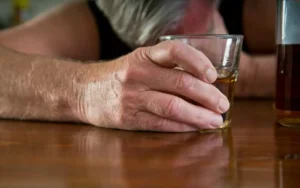
Some individuals can do this on their own with community or peer support; however, others will require the help of providers through medically-supervised detoxification. Around 40% to 60% of people working to overcome a substance use disorder will relapse at some point. However, it is important to recognize that this rate is comparable to relapse rates for other chronic health conditions such as hypertension and asthma. Withdrawal symptoms can be a difficult aspect of overcoming addiction for both substance and behavioral addictions.
Staying Sober Requires Commitment
- Of course, there are the traditional AA/ NA and Celebrate Recovery meetings, but there are also several other options.
- Make sure goals are measurable (How do you know how close you are to achieving it?) and specific (Can you clearly define when your goal will be met?).
- Often an event, like a drug-induced temporary psychosis (i.e. bad trip), an overdose, or a severe hangover will motivate you to seek help.
- The Diagnostic and Statistical Manual of Mental Disorders (DSM) avoids the terms addiction and recovery.
The best way forward for your recovery from alcohol or substance use is to incorporate a wide variety of strategies that will help foster success. Remember to care for yourself, seek supportive relationships, and consider seeking help from a therapist. In today’s world there are more and more opportunities to connect and interact with recovery communities. Of course, there are the traditional AA/ NA and Celebrate Recovery meetings, but there are also several other options. Many online social media communities allow you to connect and interact with other recovering addicts from all over the world. Additionally, there are online meetings and interactive chat sessions one can participate in to stay connected.
Provides Structure and Predictability
Within the group setting, participants can openly discuss their challenges, achievements, and setbacks, knowing they are in a judgment-free zone. The power of group therapy during rehab lies in its ability to promote peer support and encouragement, https://ecosoberhouse.com/ which can be instrumental in preventing feelings of isolation during recovery. Together, group members can gain valuable insights, share coping strategies, and develop meaningful relationships that facilitate growth and healing.
- For many experts, the key components of addictive disorder are compulsive drug use that continues despite detrimental consequences, and the development of cravings with the inability to control use.
- People can utilize tactics like setting objectives, reaching out for assistance, prioritizing self-care, and recognizing achievements to reinforce their motivation.
- You may find several inspirational quotes or helpful mantras that will carry you through the difficult times.
- If you or a loved one is seeking an addiction treatment program, it’s essential to understand that motivation for change in recovery is a crucial factor for success.
- Everyone struggles during their journey, and being honest about our struggles allows us to reach out to those who are supportive and willing to help.
Biological Health:
The people you reach out to might be able to help re-spark your motivation, but they’ll never be able to help if you don’t speak up when you’re in need. Sticking to healthy habits can help alleviate symptoms of depression and anxiety and decrease bad moods. Getting enough sleep, exercise, and water and fueling recovery motivation our bodies with healthy foods can help us feel good both physically and mentally. Working the 12 steps with a sponsor can help guide you and keep you motivated to continue the progress in your journey of recovery. These programs provide a reliable resource for accountability, fellowship, and spirituality.

These small actions may seem insignificant, but they add up to make a big impact on how you feel overall. There is no one-size-fits-all approach when it comes to addiction recovery. Lifestyle changes, behavioral therapy, medications, and mutual support groups may all play a role in your treatment, but it is important to find the approach that works best for your needs. It is important to avoid these scenarios that result in a loss of motivation. Without motivation, your recovery is likely to stall, and you might even relapse into substance abuse again.
If you’re already taking medication, the doctor may reassess your treatment. Instead, focus on reading uplifting content and try to surround yourself with people you feel good spending time with. Exposure to nature may have a positive impact on feelings of depression, according to a review of research. You can take a walk, sit outside, or engage in an outdoor hobby, like gardening. Focus on one goal at a time, and try to block out thoughts about what comes after. As you meet these goals, you can start adding more as you achieve them.

Develop a Daily Routine and Healthy Habits
It could be as little as offering a ride to a meeting or setting up chairs and making coffee, or it could be as much as becoming a sponsor or acting as a guest speaker at a local event. To combat these feelings, try to remove yourself from the triggering situation. If a song is playing, turn the radio off, if you get a text from an old friend with whom you used to use substances, consider blocking the number. Of course, not every trigger can be avoided but coping with your life being different can help you build a new life filled with less painful reminders from the past.
- The decision to enter treatment can be daunting and may feel like a last resort.
- Deciding to enter recovery is a complex process driven by a variety of motivating factors.
- There are various practices you can adopt to change your mindset and find new motivation.
- Although quitting entirely is the best path to wellness, reducing or eliminating the most harmful substance use or behavior is a huge improvement and will greatly reduce the harm caused.
- Aftercare programs are essential for maintaining sobriety following primary treatment.